
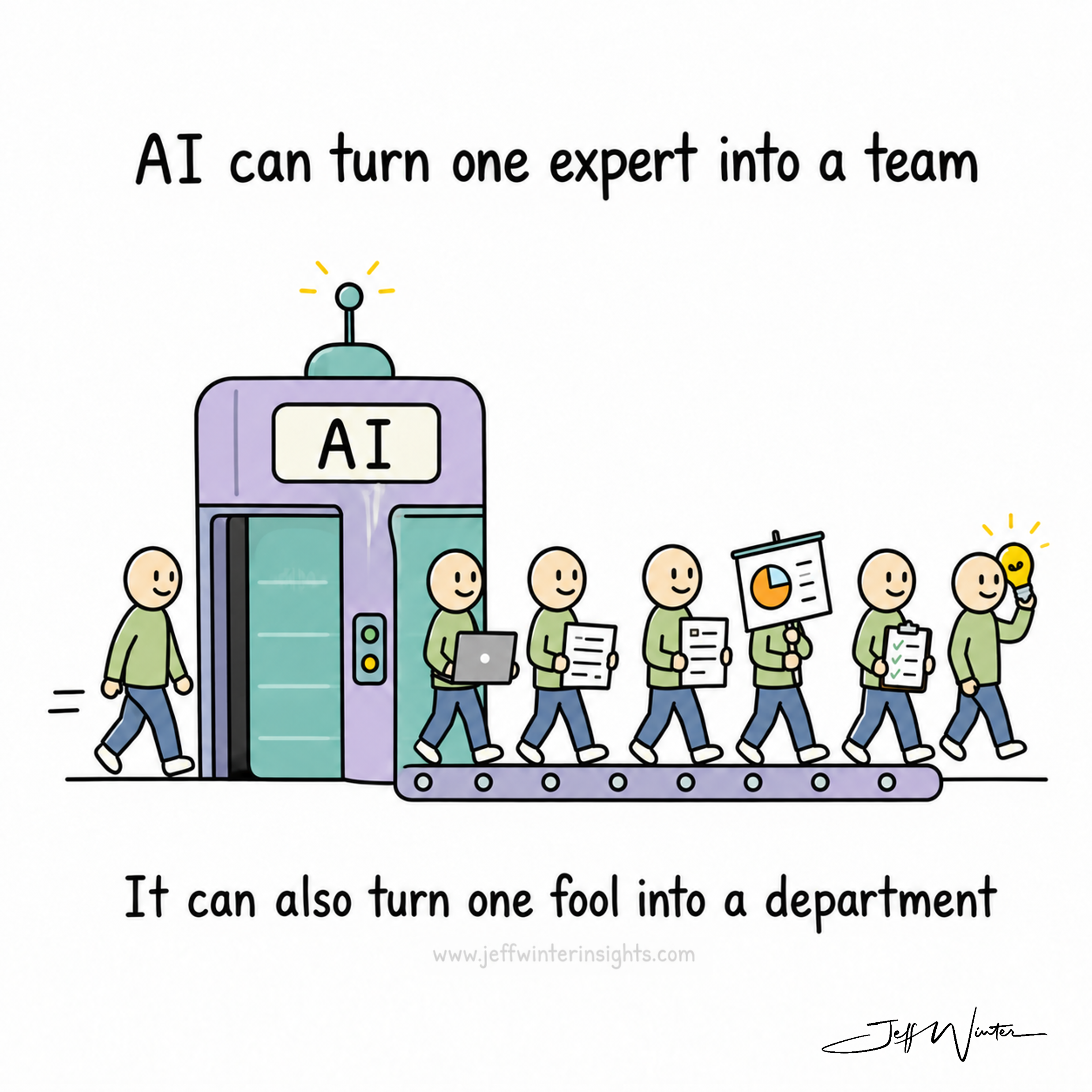
AI Has Made it Much Easier to be Wrong at Scale
AI can now give your worst idea unlimited energy, perfect grammar, and a polished implementation plan. As producing convincing work becomes almost effortless, human judgment may become the most valuable expertise of all.
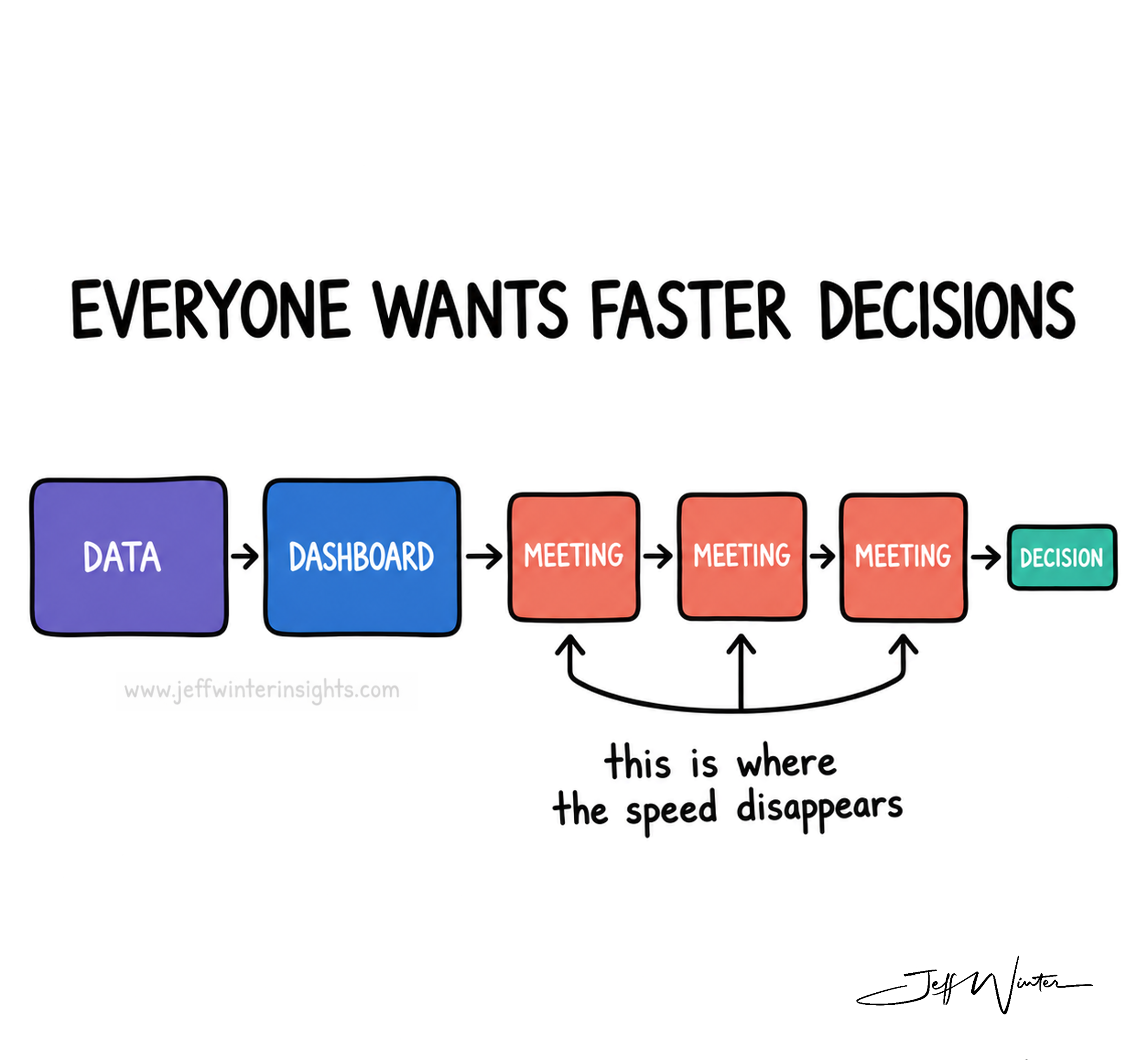
The Law of Conserved Indecision
We’ve taught technology to deliver answers in seconds, then built organizations that need three meetings to decide what to do with them. Meet the Law of Conserved Indecision, and discover why unlocking AI’s productivity gains requires rethinking who gets to decide, what requires approval, and why everyone else is still on the invite.
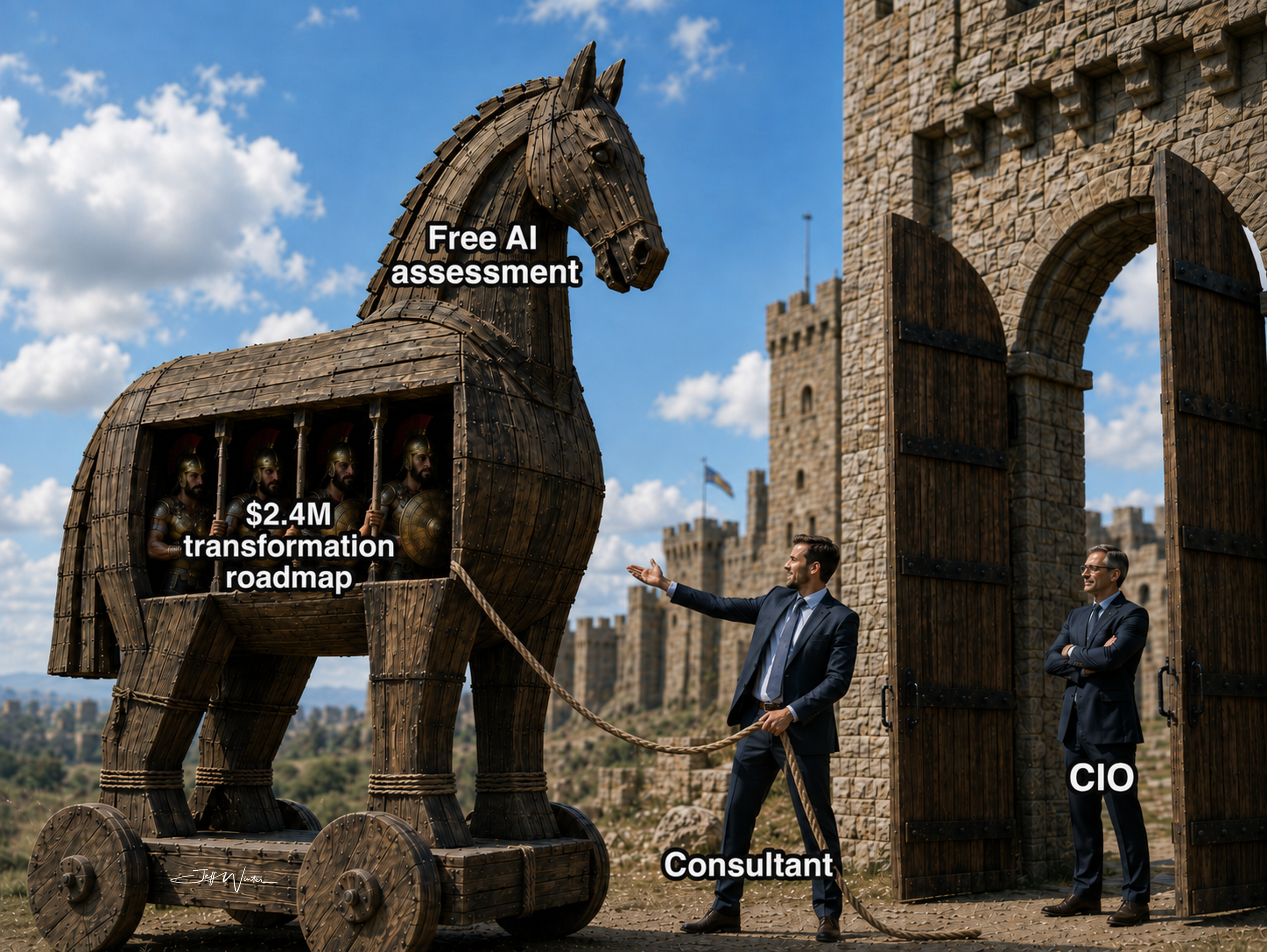
Why AI Success Creates More Work Than Expected
AI pilots are designed to prove that the technology works, yet they rarely expose the infrastructure, data, ownership, process changes and permanent costs required when it does. Every successful pilot contains a miniature operating model, and CIOs should understand exactly what they are bringing through the gate.
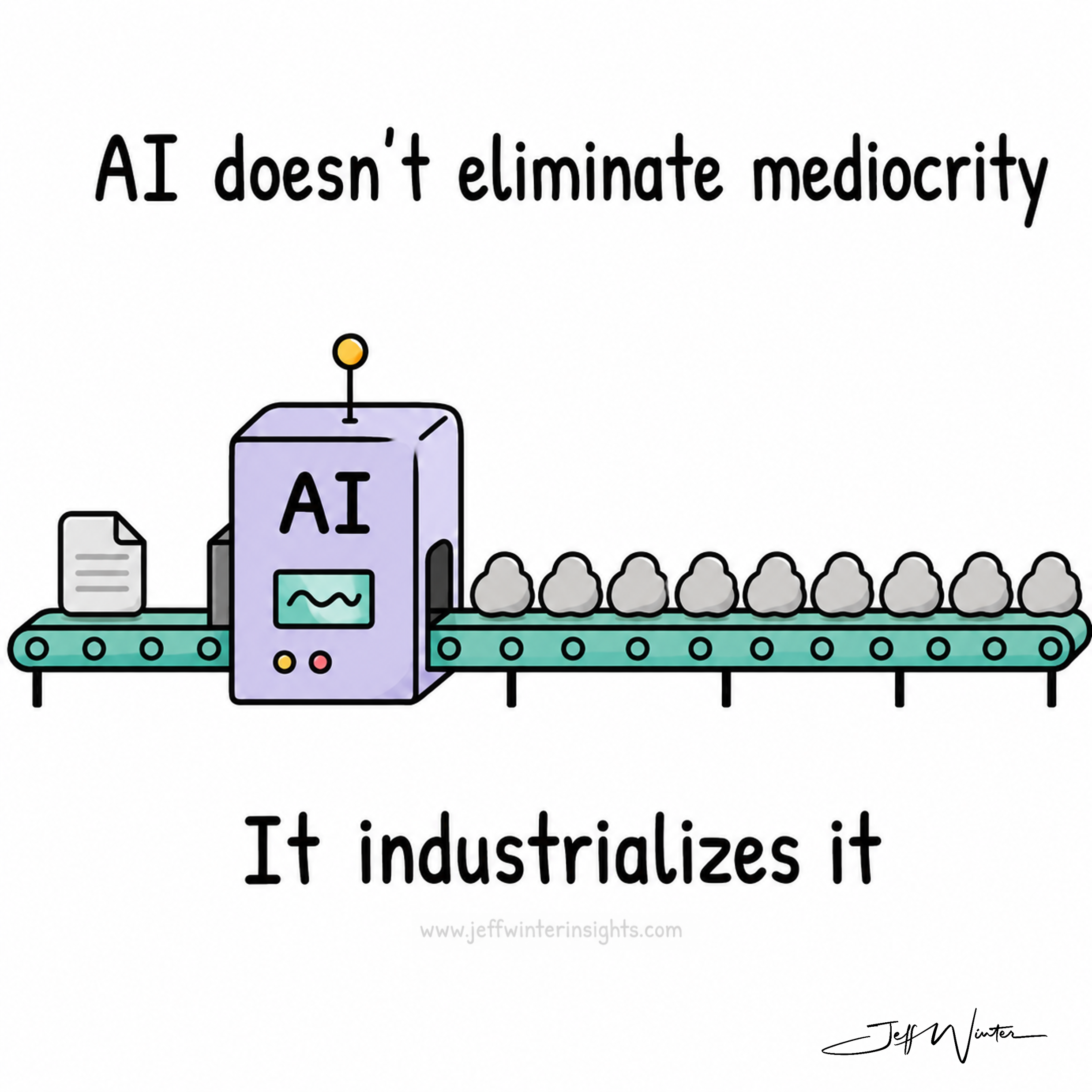
The Age of Professionally Produced Mediocrity
AI can make almost anyone look competent now, which means competence itself is becoming a terrible competitive advantage. This is about using AI everywhere without letting it sand away the weird ideas, judgment, conviction, and fingerprints that actually make your work yours.
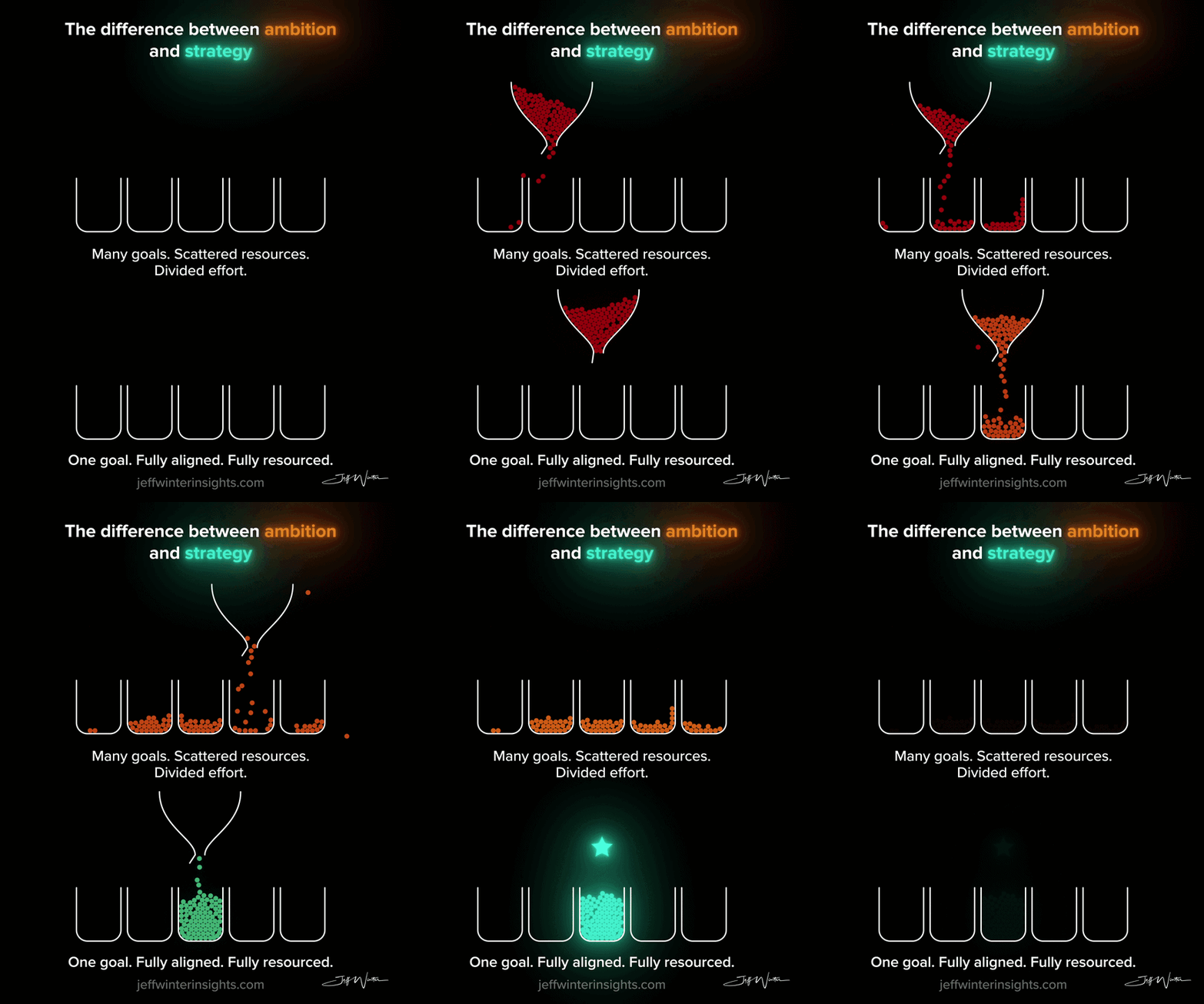
Why More AI Use Cases Can Produce Less AI Value
AI is creating more opportunities than most organizations could possibly pursue, and that may be the real strategic problem. The companies that create the most value from AI may not be those with the most use cases, but those disciplined enough to choose where AI matters disproportionately and concentrate their resources there.
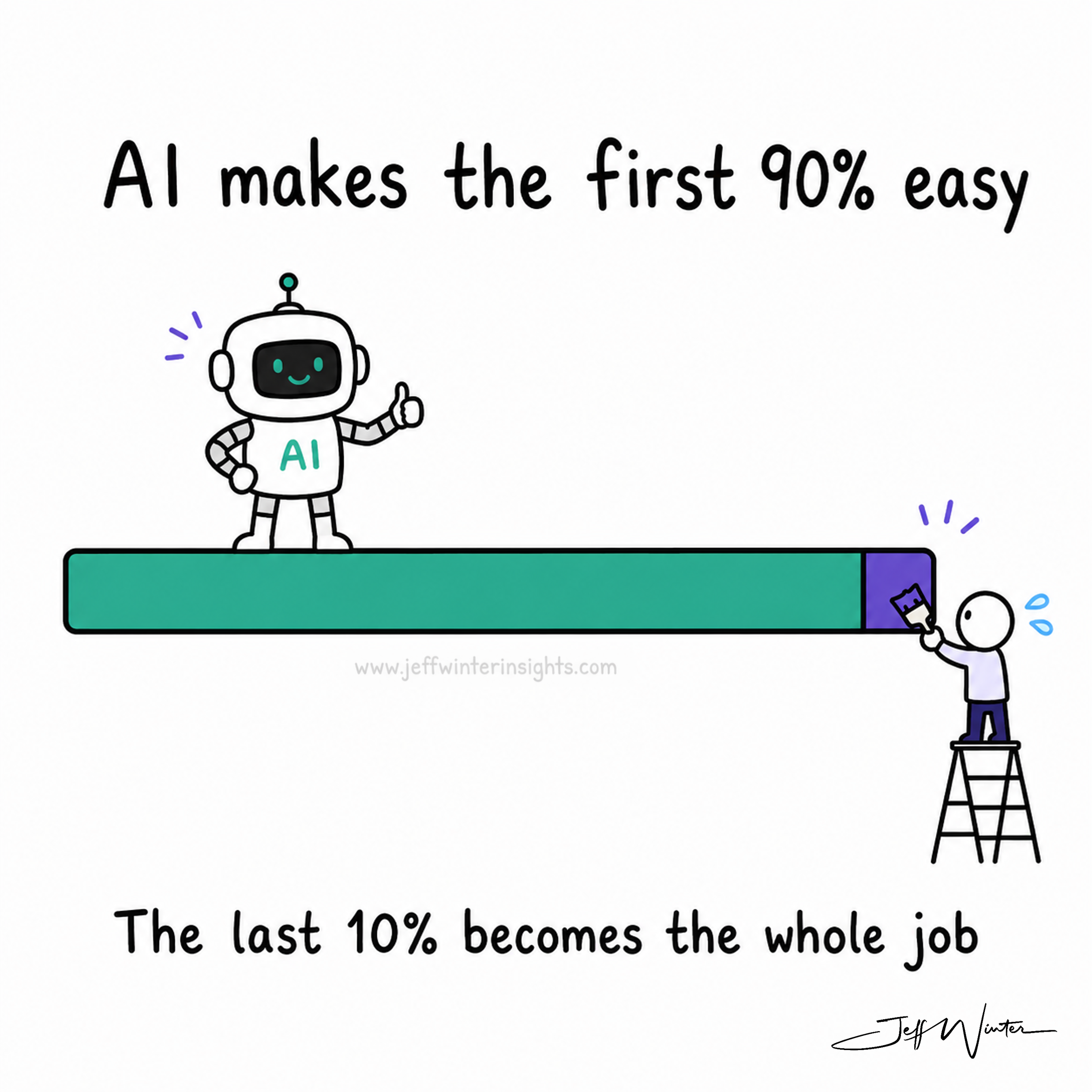
What Happens After AI Does the Work
AI can now get us remarkably close to finished in seconds. The strange consequence is that the small amount of work left over may increasingly contain almost all of the judgment taste context and expertise that actually make the result valuable.